A Beautiful Return on Creativity: How Arts and Culture Strengthen Tourism in St. Lucie County
by Linda Kloorfain
When people think about tourism in St. Lucie County, beaches, fishing, boating and spring training often come to mind. Those attractions are important, but they are only part of the story.
A beach may attract someone for a day. A concert, museum, art walk, theater production or heritage trail can persuade that visitor to stay for dinner, book another night and return for another trip. That additional activity supports restaurants, hotels, shops, transportation providers, artists and other local businesses.
In other words, arts and culture are not simply community amenities. They are part of St. Lucie County’s tourism infrastructure.
Culture Makes St. Lucie Memorable
Travelers can find beaches throughout Florida. What they cannot find everywhere is St. Lucie County’s specific collection of stories, artists and cultural experiences.
Visitors can explore the legacy of the Florida Highwaymen, learn about author Zora Neale Hurston’s years in Fort Pierce, visit the A.E. Backus Museum, attend a performance at the historic Sunrise Theatre or experience local galleries, public art, and live performances.
In 2026, St. Lucie’s cultural tourism offerings expanded with two free digital heritage trails. The Florida Highwaymen Heritage Trail highlights the lives and influence of the celebrated Black artists whose work helped define Florida landscape art. The Zora Neale Hurston Dust Tracks Heritage Trail connects visitors with the author’s legacy and ties to Fort Pierce. Public art installations, including The Heart in Port St. Lucie, are also being promoted as recognizable community landmarks and visitor attractions.
These experiences give visitors something valuable: a sense of place. They help St. Lucie County stand apart from destinations that offer sunshine but little identity.
Turning Local Creativity Into Visitor Experiences
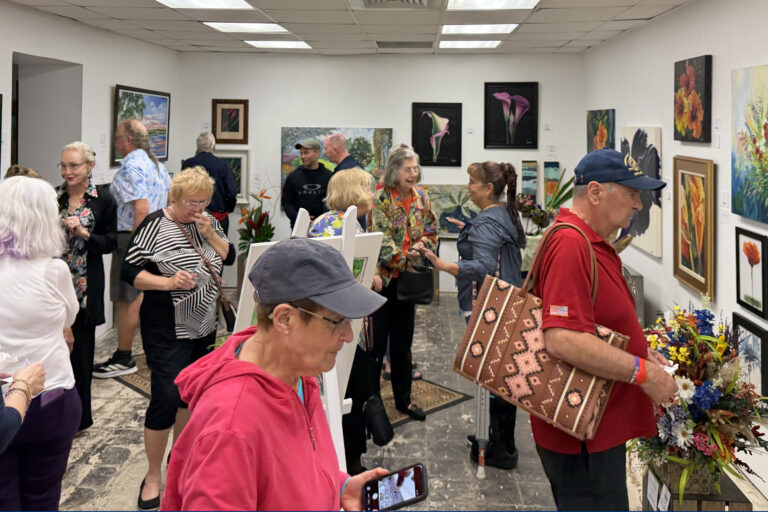
One of the St. Lucie Cultural Alliance’s most visible tourism-related programs is the Downtown Fort Pierce Art Walk. Artists, musicians, and performers participate while galleries and businesses remain open for visitors. The event encourages people to explore downtown, meet artists, shop locally and visit nearby restaurants and businesses.
The Cultural Alliance presents many free events each year. Free events lower the barrier to participation and make it easier for families, residents and visitors to explore the county’s cultural scene.
Cultural Visitors Spend Money Beyond the Event
The economic value of cultural tourism extends well beyond admission tickets.
Americans for the Arts found that attendees at nonprofit arts and cultural events spend an average of $38.46 per person, per event, beyond the cost of admission. That spending includes meals, transportation, parking, shopping and other purchases.
The study also found that 30.1 percent of arts attendees traveled from outside the county. Those visitors spent an average of $60.57 per person, compared with $29.77 spent by local attendees. Among those visitors, 77 percent said the cultural event was the primary reason for their trip.
Those are national findings, not a measurement of St. Lucie County alone. However, they demonstrate why cultural programming matters to tourism planning. When an event attracts visitors from outside the area, the financial impact spreads through the community.
Tourism Is Already Big Business in St. Lucie County
St. Lucie County’s 2023 visitor tracking and economic impact report found that the county attracted approximately 1,012,800 visitors.
Those visitors spent an estimated $703,753,800 on accommodations, restaurants, groceries, transportation, attractions, entertainment, and shopping. That spending created a total estimated economic impact of more than $1.08 billion within the county.
Tourism also supported approximately 8,520 local jobs and generated more than $287.2 million in wages and salaries during fiscal year 2023.
Arts and culture can help expand that impact. They provide reasons for visitors to move beyond the beach, explore downtown areas, attend evening events and spend money with locally owned businesses.
How Tourism Generates Tax Dollars
St. Lucie County imposes a 5 percent Tourist Development Tax on qualifying short-term accommodations. Florida Department of Revenue records for 2026 list a combined tax rate of 12 percent on living and sleeping accommodations in St. Lucie County. Other taxable transactions in St. Lucie County are generally subject to a combined 7 percent rate.
In 2023, taxes paid on visitor accommodations generated approximately $6.39 million in Tourist Development Tax collections.
Visitors also generate sales tax revenue when they dine in restaurants, purchase merchandise, attend taxable attractions and make other purchases. The longer they stay and the more activities they experience, the greater the potential economic and tax impact.
The county’s 2023 economic impact report estimated that visitors produced a net tax benefit of approximately $9.07 million for St. Lucie County government after accounting for the cost of providing services to visitors.
The same report estimated that visitor-generated revenue saved local households approximately $406 per year in taxes.
Tourism is not simply people arriving, taking photographs, and clogging the good parking spaces. Properly developed tourism helps pay bills.
How the St. Lucie Cultural Alliance Can Help
The Cultural Alliance can serve as the connector between artists, cultural organizations, tourism officials, municipalities, hotels, restaurants and local businesses. Its stated values include collaboration and bringing together the arts, individuals, businesses, municipalities and community organizations. That convening role is essential because cultural tourism rarely succeeds when every organization markets itself in isolation.
The Alliance can help develop coordinated cultural itineraries that combine galleries, performances, historic sites, public art, restaurants and shopping. A visitor attending Art Walk, for example, could also receive information about nearby dining, accommodations and weekend events. That turns one evening activity into a more complete visitor experience.
It can also work with hotels and vacation rental operators to place cultural calendars, Art Walk information, gallery guides and event promotions directly in front of guests. Many visitors will attend cultural events when they know those events exist. The problem is often not a lack of things to do. It is a lack of coordinated communication.
The Alliance can also support artists through exhibition opportunities, calls for art, advocacy and professional connections. A successful cultural tourism economy requires a healthy creative sector. There is no cultural destination without artists, performers, writers, musicians and organizations capable of producing experiences worth traveling for.
Investing in Culture Is Investing in Economic Development
Supporting arts and culture does not mean choosing creativity over economic growth. Creativity is part of economic growth.
A successful cultural tourism strategy requires coordination among artists, cultural organizations, tourism officials, hotels, restaurants, municipalities and local businesses. Events should be marketed beyond the immediate community. Performances and exhibitions can be packaged with dining, lodging and shopping opportunities. Heritage trails and public art should be connected to nearby businesses and promoted as part of a complete visitor itinerary.
The St. Lucie Cultural Alliance can help lead that coordination. It already represents the county’s cultural sector, operates visitor-friendly programs, promotes artists, publishes regional cultural content and creates partnerships designed to position St. Lucie County as an arts and cultural destination.
The goal is not simply to attract more people. It is to give visitors more reasons to stay longer, explore more of the county and spend more money locally.
St. Lucie County already has the stories, talent and cultural heritage. The opportunity is to connect those assets, market them consistently and present them as essential parts of the destination.
Arts and culture do not compete with tourism. They complete it.
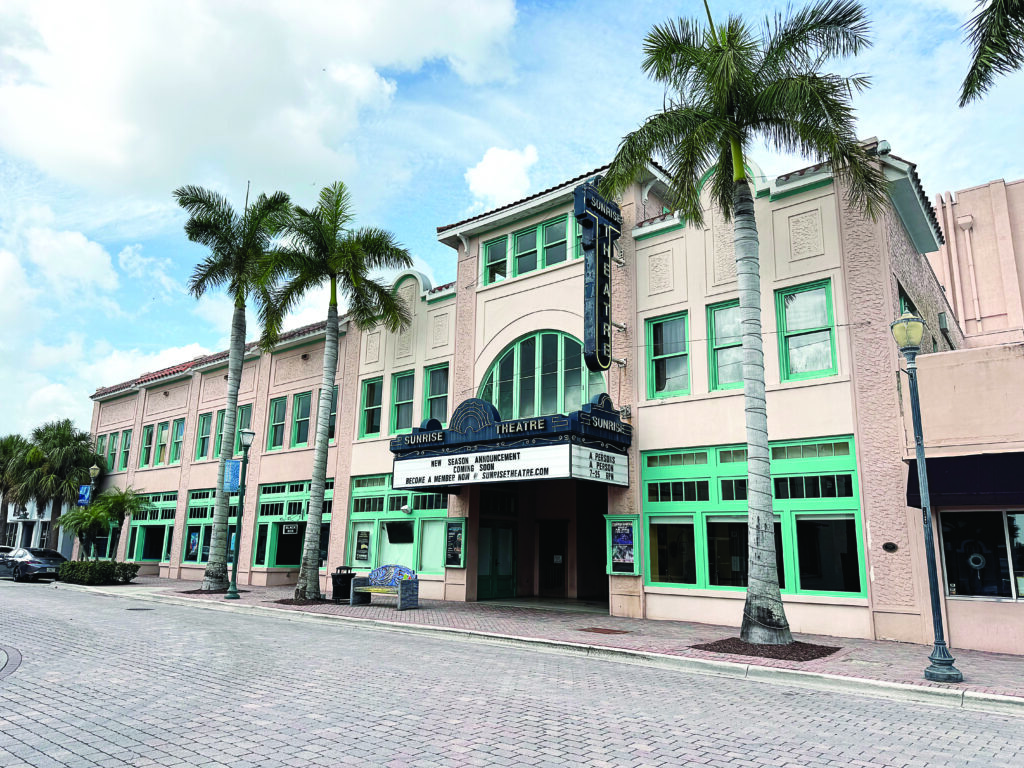
Sunrise Theatre
Photo by K2 Photography & Marketing